Auction Fever Lifts Vintage Jewels拍卖场上的硬通货
On the evening of May 13, 2026, a single hammer stroke in Geneva echoed across the jewelry world. At Christie's “Magnificent Jewels” sale, a triangular-cut fancy vivid blue-green diamond known as the “Ocean Dream” sold for CHF 13.57 million (about USD 17.4 million), setting a new world auction record for its category. The wider numbers were just as striking: 87 lots, a 99% sell-through rate, CHF 51.86 million in total, and 84% of lots exceeding their high estimates. In a year when retail consumption remains cautious, the auction room is running hot.
This is no isolated firework. According to public results from Sotheby's and Christie's, global high-end jewelry auction sales surpassed USD 5 billion in 2025, up 37% year on year. Chinese buyers led the world with a 43% share of transactions, and Hong Kong, China has risen to become the world's third-largest hub for antique jewelry auctions. The momentum extends to regional houses too: Cheffins in the UK posted its highest-grossing jewellery, silver and watches sale ever this April at £596,000, with 456 antique and pre-owned lots achieving a sell-through rate above 97%. A 20th-century pink topaz and diamond brooch fetched £38,000 — nine times its estimate.
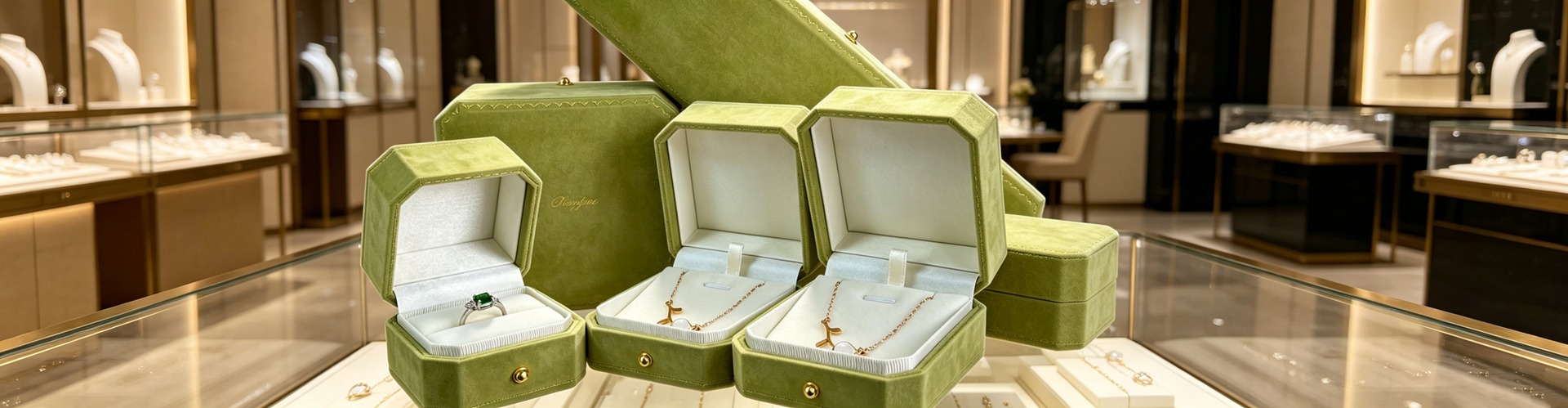
The strongest engine is vintage and antique jewelry. Art Deco pieces (1920–1935) have been on a sustained run: at Christie's Geneva, a Cartier emerald and diamond ring once sold for sixteen times its estimate. This May, a 1930s Cartier Tutti Frutti brooch brought CHF 1.05 million, a Boucheron ruby, emerald and onyx necklace from around 1925 achieved CHF 1.21 million, and a strand of 91 natural saltwater pearls changed hands at CHF 4.15 million. Industry analysis puts the average annual return of quality antique jewelry over the past decade at 8–10% — roughly on par with developed-market equities — while global antique jewelry transactions grew about 12% in 2024. As ordinary new diamonds trade at half price on the secondary market, old jewels with provenance, certificates and brand names keep climbing. Auction houses call it a K-shaped recovery: masterpieces soar, commodities sink.
Three signals stand out for the trade. First, scarcity narratives dominate: unheated Kashmir sapphires, Burmese pigeon's-blood rubies and Colombian emeralds remain the hardest currency. Second, brand and provenance act as a second layer of insurance — vintage works by Cartier, Boucheron and Van Cleef & Arpels command premiums far beyond anonymous workshops. Third, the buyer base is getting younger and more digital: at Poly Beijing's spring sale, which totaled RMB 129 million, 43% of successful bidders were first-timers.
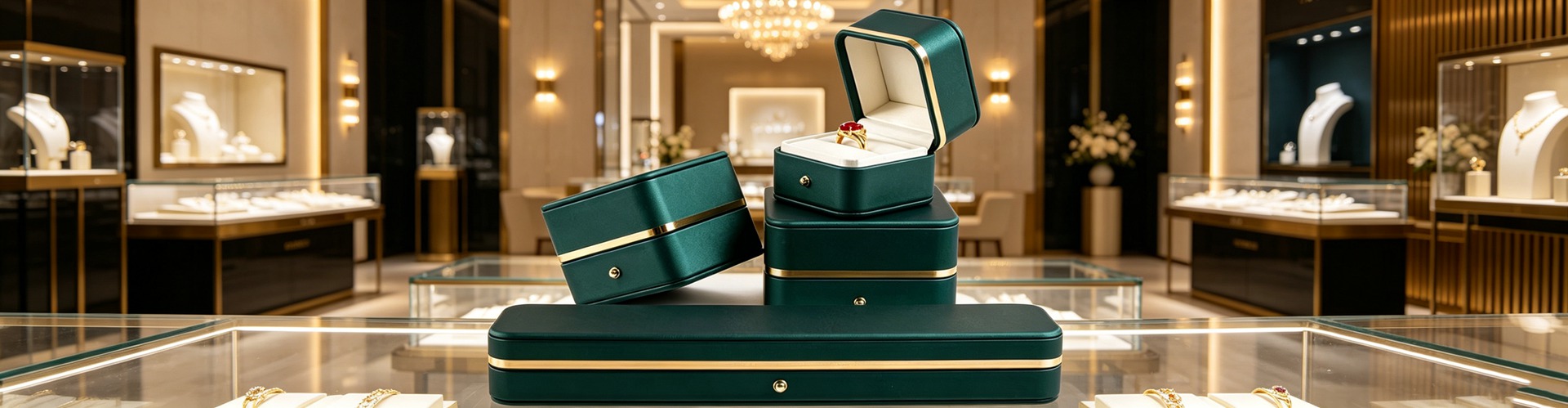
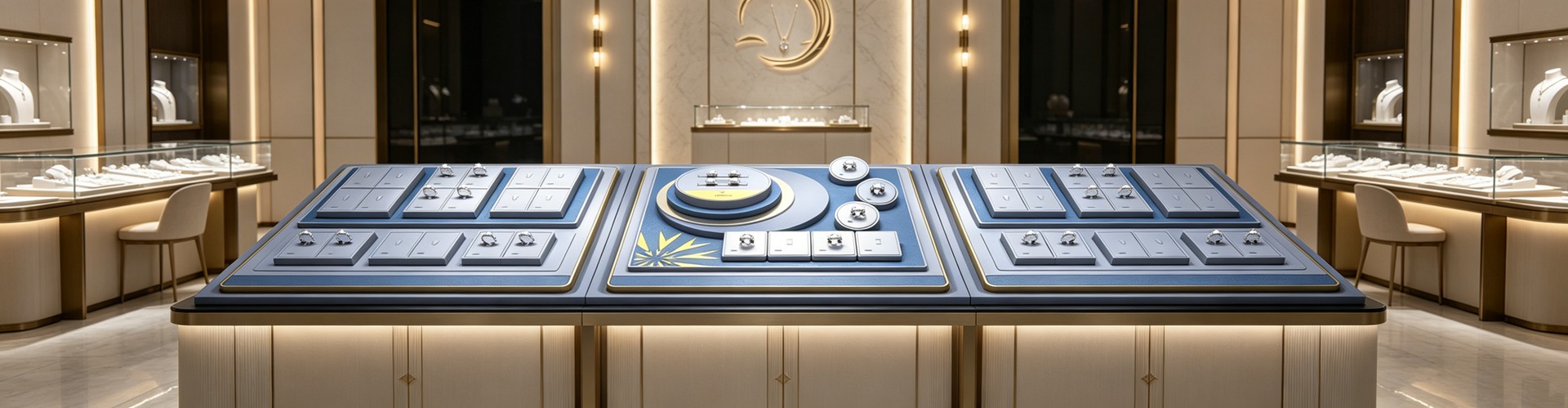
One detail is easy to miss: in auction catalogues, the words “with original box” reliably add real money to the hammer price. An original presentation case is physical evidence of dating and provenance — and part of the ritual. That carries a lesson for today's brands: presentation itself is an asset. Shenzhen Junyimei, a specialist in jewelry packaging, notes that more houses now benchmark their custom jewelry boxes against collection-grade standards — solid materials and construction built to survive decades of scrutiny — while retail spaces borrow from auction previews, using layered jewelry display stands to give a single piece museum-level attention. If a jewel may one day return to the auction block, its box and its staging are part of the value story.
Every hammer stroke is, at heart, a market vote on what deserves to last. In 2026 the answer is clear: rare stones, named craftsmanship, and old things that were well kept. That holds true for collectors — and for the whole industry.
This is original content. Copyright belongs to Shenzhen Junyimei.
Junyimei — present every jewel and timepiece at its best.
2026年5月13日晚,佳士得日内瓦“Magnificent Jewels”专场的槌声,足以让整个珠宝行业侧耳:一颗三角形切割的艳彩蓝绿钻“Ocean Dream”以1356.75万瑞士法郎(约1736万美元)落槌,一举刷新同类彩钻的世界拍卖纪录。更值得玩味的是全场数据——87件拍品成交率99%,总成交额5185.95万瑞郎,84%的拍品最终价格超过了拍前高估价。在消费市场普遍谨慎的年份里,拍卖场却在高歌猛进。
这不是孤立的烟花。把镜头拉远:据苏富比、佳士得公开财报,2025年全球高端珠宝拍卖总成交额突破50亿美元,同比大涨37%;中国买家以43%的成交份额领跑全球,中国香港已跻身全球第三大古董珠宝拍卖中心。国内市场同样火热——北京保利2026春拍珠宝钟表专场斩获1.29亿元总成交额,办理号牌的新客占比31%,成交竞买人中43%是首次参与竞买。拍卖,这个曾经专属于少数资深藏家的游戏,正在被一批全新的、更年轻的买家重新定义。
最强势的板块,是古董珠宝。装饰艺术(Art Deco,1920–1935)风格拍品近年几乎场场走强:佳士得日内瓦的Art Deco专场中,一枚卡地亚祖母绿配钻石戒指曾以高出估价16倍的价格成交;2026年5月的日内瓦春拍上,卡地亚1930年代Tutti Frutti“水果锦囊”胸针拍出105.41万瑞郎,宝诗龙约1925年的红宝石祖母绿缟玛瑙项链拍出120.65万瑞郎,一条91颗天然海水珍珠项链更是以414.7万瑞郎易主。行业测算显示,过去十年优质古董珠宝的年均回报率约为8%–10%,大致相当于全球发达市场股市的长期回报,2024年全球古董珠宝交易额同比增长约12%。当普通新钻在二手市场以腰斩价格流通时,有出处、有证书、有品牌的老珠宝却在逆势上行——这就是被拍卖行反复验证的“K型复苏”:精品为王,普品贬值。
热度甚至传导到了区域性小拍。英国拍卖行Cheffins今年4月底的珠宝银器钟表专场创下59.6万英镑的历史最高纪录,456件古董与二手拍品成交率超97%;一枚20世纪粉色托帕石配钻石胸针以3.8万英镑成交,是估价的9倍。主持该场的珠宝主管直言:“许多委托人对家传旧物拍出的价格感到真正的惊讶。”换句话说,市场正在为“时间”本身定价——工艺断代、风格稀缺、流转有序,每一项都在溢价。
对从业者而言,这轮拍卖热至少给出三个信号。其一,稀缺性叙事压倒一切:无烧克什米尔蓝宝、缅甸鸽血红、哥伦比亚祖母绿等“名矿+无处理”组合,仍是最坚硬的通货;其二,品牌与出处成为第二重保险,Cartier、Boucheron、Van Cleef & Arpels的古董作品溢价能力远超无名工坊;其三,买家结构年轻化、数字化,线上竞投让二手与古董珠宝的流通效率空前提高。
还有一个常被忽视的细节:在拍卖图录里,“附原装盒(original box)”几个字往往意味着实实在在的加价——原装的首饰盒是断代与出处的物证,也是仪式感的一部分。这对今天的珠宝品牌是个提醒:呈现方式本身就是资产。像深圳骏依美这样深耕珠宝包装的企业观察到,越来越多品牌在珠宝盒定制上参考拍卖级藏品的规格——用料扎实、结构考究、经得起几十年时间的审视;门店端则借鉴预展美学,通过首饰展台的层次编排让单件作品拥有“博物馆式”的注目率。当一件珠宝可能在未来某天重回拍卖场,它的盒子、它的陈列,都是价值故事的一部分。
拍卖场的槌声,本质上是市场对“什么值得留下”的投票。2026年的答案很清晰:稀缺的宝石、有名字的工艺、被善待的旧物。对买家如此,对整个行业亦然。
本文为原创内容,版权归深圳骏依美所有,转载请注明出处。
骏依美——让每一件珠宝与腕表,都被更好地呈现。