Colored Gemstones Become the New Hard Currency彩宝涨价潮观察
The year 2026 opened with a bang for the colored gemstone trade. Gemfields' ruby auction drew feverish bidding, and Christie's issued an unusual note warning that global demand for colored stones is surging just as supply from core origins — Myanmar, Sri Lanka, Colombia — keeps tightening. The result is a scarcity-driven price rally sweeping the market: rough prices are up more than 30% year on year, and top-quality material has doubled in some categories.
Zoom out and the numbers get even more striking. Industry price tracking shows top Mahenge spinel up 152% over five years, unheated Burmese pigeon-blood rubies up 85%, neon Paraiba tourmaline up 78%, unheated royal blue sapphires up 72%, and Muzo-green Colombian emeralds up 65%. Bangkok dealers confirm that a clean, untreated one-carat royal blue sapphire that traded around $3,000 now commands $4,000 to $5,000. At Sotheby's and Christie's jewelry sales, premiums on top colored stones have climbed from roughly 20% in earlier years to more than 50%.
Who is buying? Wealth reports from Bain and Hurun show that high-net-worth individuals have lifted their allocation to jewelry and colored gemstones from 3% to 8% of portfolios in just three years — one of the fastest-growing alternative assets — while real estate allocations slid from 42% to 35%. Small in size, dense in value and rich in cultural premium, fine colored stones have quietly entered the family-office shopping list. Trade fairs in Hong Kong, Shenzhen and Bangkok report transaction volumes at high-end gem booths up nearly 40%, with private collectors and investment offices replacing traditional retailers as the dominant buyers.
The other engine is youth. In China, consumers born after 1990 now account for 47% of jewelry purchases, and livestream e-commerce drives 62% of incremental sales. This generation is no longer bound by the "a diamond is forever" script — natural diamonds' share of the jewelry market has slipped from 70% to 55%. Design and visual appeal rank first in their purchase decisions at 37%, while investment value ranks only fifth. Social-media engagement around niche gems like aquamarine, spessartite and spinel has jumped 137%, and self-purchase now leads all buying occasions at 42%, ahead of bridal.
The market is thus splitting into two parallel worlds: an asset-grade tier of untreated stones above three carats, priced independently of consumer cycles and increasingly hoarded by owners; and a wearable tier under one carat that moves fast on design, color and story. China sits exactly at the intersection — its domestic colored gemstone market has nearly doubled from 24.5 billion yuan in 2021 to 45 billion yuan in 2026, with Guangdong hosting 42% of the nation's gem enterprises and Shenzhen focusing on high-end customization and branded retail.

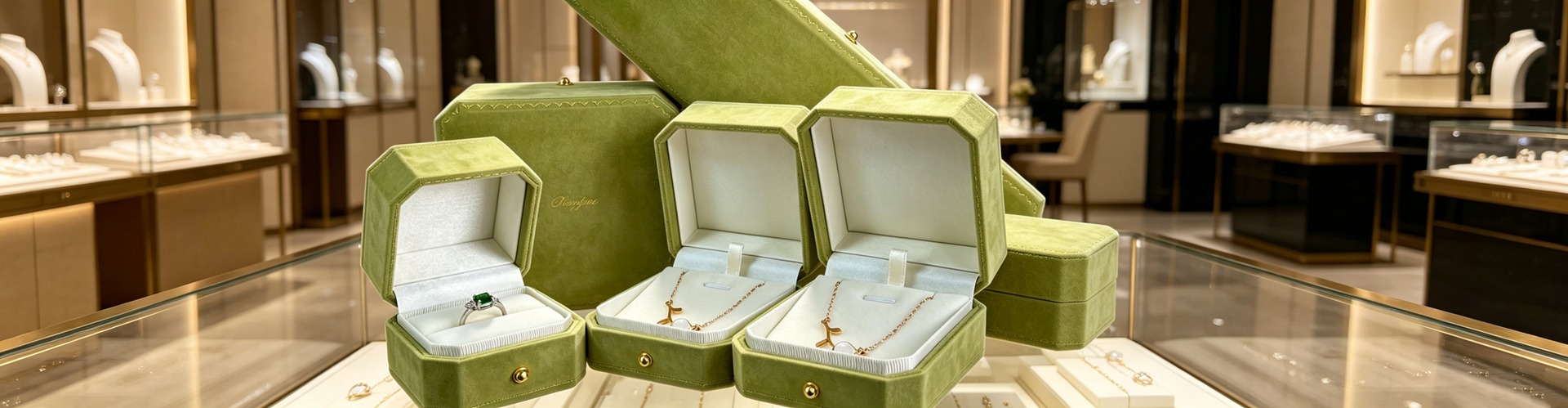
One detail deserves more attention from the trade: colored stones sell color, and color depends heavily on how it is presented. When a Paraiba's neon glow needs to "speak" under the counter lights, the material and color temperature of jewelry display props — and the layering of a well-built jewelry display stand — directly determine how long a customer lingers. When young buyers pay for shareable moments, a well-crafted jewelry box is no longer an accessory but the first frame of the unboxing story. Forward-thinking brands are already moving jewelry packaging design upstream into product development: the more precious the stone, the more it deserves a presentation language to match. In this bull market, presentation may be the most overlooked yet most certain return on investment.
Prices will fluctuate, but the shift from resource-driven to design-driven value is here to stay. Colored gemstones are no longer a niche corner of the jewelry counter — they are a new track where consumption, investment and culture converge.
This is original content. Copyright belongs to Shenzhen Junyimei.
Junyimei — present every jewel and timepiece at its best.
2026年开年,国际彩宝巨头Gemfields的红宝石拍卖会拍出罕见热度,佳士得随即发布预警:全球彩色宝石需求正在激增,而缅甸、斯里兰卡等核心产区的供给却持续收缩。一边是需求井喷,一边是矿源见底,一场由稀缺性驱动的涨价潮正席卷全球——彩宝原料价格同比上涨已超过30%,高品质品种的涨幅更是直接翻倍。
如果把时间轴拉长,数字更加惊人。据行业监测数据,顶级马亨盖尖晶石五年累计涨幅高达152%,无烧缅甸鸽血红宝石上涨85%,霓虹感十足的帕拉伊巴碧玺上涨78%,无烧皇家蓝蓝宝石与哥伦比亚木佐绿祖母绿的涨幅也分别达到72%与65%。曼谷贸易商证实,一颗未经处理、放大镜下无瑕的1克拉皇家蓝蓝宝石,价格已从约3000美元跳升至4000至5000美元区间。苏富比、佳士得珠宝专场中,顶级彩宝的溢价率从早年的20%一路攀升至50%以上。
是谁在买?答案出乎很多人意料。贝恩公司与胡润研究院联合发布的财富报告显示,全球高净值人群在珠宝与彩色宝石上的资产配置比例,已从三年前的3%大幅提升至8%,成为增速最快的另类资产之一;与此同时,传统房产配置从42%降至35%。彩宝体积小、价值密度高、文化溢价强,正式进入家族资产配置清单。香港、深圳与曼谷珠宝展的数据也印证了这一点:高端宝石展位成交量同比增长近40%,买家结构从传统零售商转向私人藏家、家族办公室与珠宝投资机构。
另一股力量来自年轻人。中宝协2025年消费数据显示,90后、00后已占珠宝消费的47%,直播电商贡献了62%的增量成交。这一代人不再被“钻石恒久远”的叙事绑架——天然钻石在珠宝市场的份额已从70%滑落至55%。他们决策的第一要素是款式与颜值(37%),保值投资仅排第五。海蓝宝、芬达石、尖晶石等小众彩宝在社交平台的内容互动量同比增长137%,“悦己佩戴”以42%的占比超过婚嫁场景,成为彩宝消费的第一动机。
由此,市场正在裂变为两个平行世界:一端是3克拉以上无烧、无油的“资产级”宝石,价格逻辑独立于消费周期,持有者惜售、一石难求;另一端是1克拉以下的“佩戴级”精品,靠设计、色彩与故事快速流转。中国市场恰好踩在这两条曲线的交汇点上——国内彩宝市场规模从2021年的245亿元增至2026年的450亿元,五年近乎翻倍,广东以42%的企业占比稳居全国第一,深圳聚焦高端定制与品牌零售。
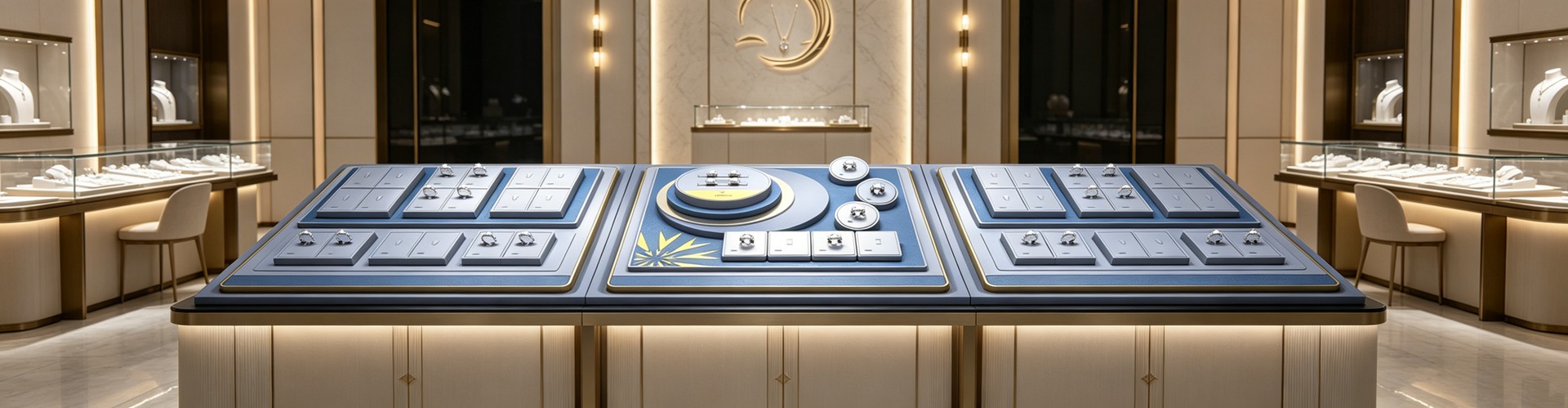
值得从业者注意的是一个常被忽略的细节:彩宝卖的是色彩,而色彩极度依赖呈现环境。当一颗帕拉伊巴的霓虹蓝需要在灯光下“会说话”,珠宝陈列道具的材质与色温、珠宝展示架的层次设计,直接决定了柜台前的停留时长;当年轻客群为“出片率”买单,一只质感在线的首饰盒早已不是附属品,而是社交传播的第一画面。不少品牌已经开始把珠宝包装设计纳入产品开发的前置环节——石头越贵,越需要与之匹配的呈现语言。这或许是本轮彩宝牛市里,容易被忽视却回报确定的一环。
涨价潮终会有波动,但审美驱动、设计驱动的行业逻辑已经确立。彩色宝石不再只是珠宝柜里的小众配饰,而是一条兼具消费、投资与文化价值的新赛道。
本文为原创内容,版权归深圳骏依美所有,转载请注明出处。
骏依美——让每一件珠宝与腕表,都被更好地呈现。