The Rise of Men's Jewelry and Watch Accessories男士珠宝配饰崛起
For a long time, men's jewelry was confined to functional pieces like cufflinks and wedding bands. In 2026, the category is undergoing a structural rise. According to Polaris Market Research, the global jewelry market reached USD 286.15 billion in 2025 and is projected to grow at a CAGR of 8.7% through 2034; within it, the men's jewelry segment grows at 9.9% — notably faster than the overall industry.
This growth is driven more by men buying for themselves than by gifting. As gender boundaries blur, jewelry is shifting from accessory to a medium of self-narration and identity. As art-jewelry founder Bertrand Mak puts it, men's jewelry "is no longer only about utility or tradition — it is increasingly expressive."
Watches and bracelets are the twin engines of this shift. Men's bracelet trends went fully mainstream in 2026: stacking (most wearers now layer 2–3), exotic leather as daily wear, bold color replacing black-and-brown, nautical hardware revival, and customizable shackle systems. Social platforms normalized wrist expression between 2023 and 2025, and it has now crossed into mainstream menswear.
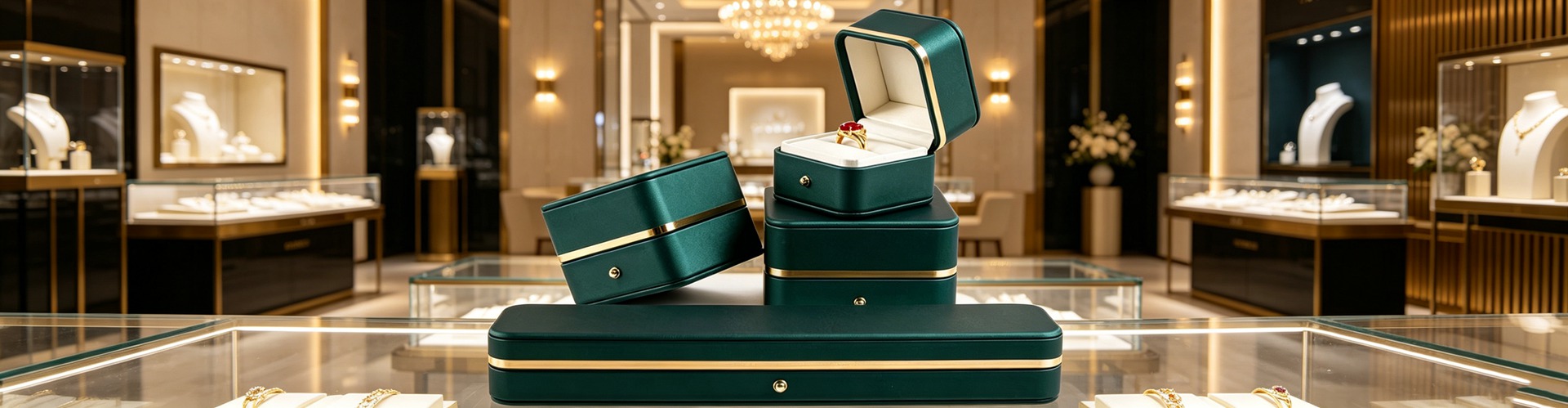
For brands, the logic of the jewelry box and watch box must rise to meet this. A proper watch box needs cushioned pillows and rigid backing sized to common bracelets and watch diameters; a necklace box needs ribbon-lift tabs and EVA or velvet-lined platforms that present the piece with dignity. Shenzhen Junyimei's work in accessory packaging and watch display props answers exactly this need to be seen.
The return of brooch aesthetics is also notable. Pinterest's 2026 forecast shows "brooch aesthetic" searches up 110% year over year, led by Millennial and Boomer men. In an era of minimalist daily dress, the brooch gives a restrained lapel room to speak.
Deeper still is the mixed-metal movement: white gold, silver, and rose gold placed side by side, amplified by stacking, add rhythm to a look. Sustainability is now a baseline — the global sustainable jewelry market may reach USD 97.8 billion by 2032, with younger men caring about traceability and ethical sourcing. As the first touchpoint, packaging should tell that value through material and structure.
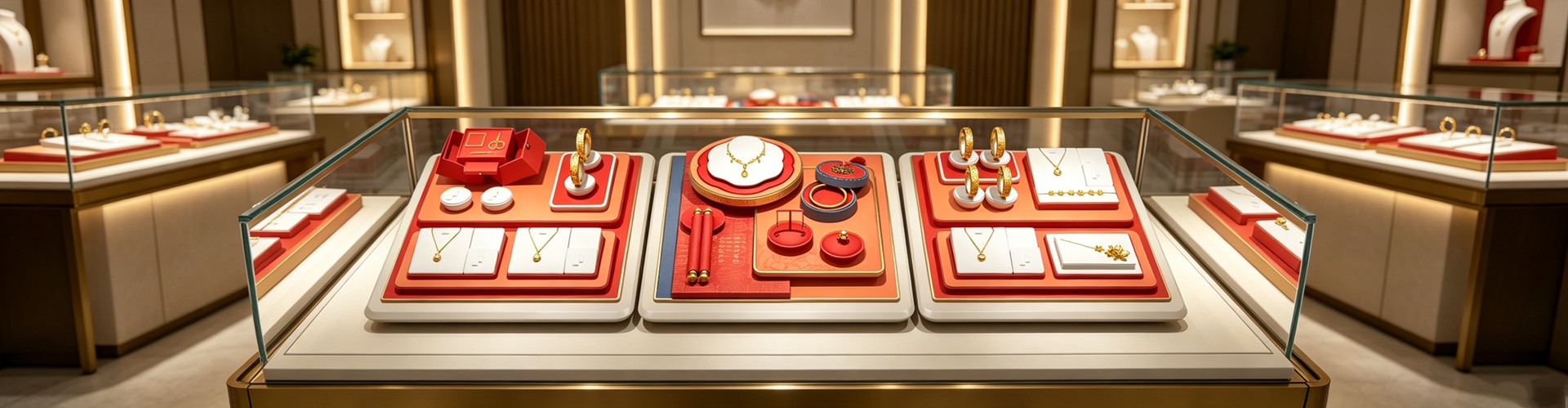
As jewelry becomes a language of male self-expression, the box that carries it deserves the same conviction. From a well-balanced watch box to a jewelry case that turns into a desktop object, the quiet quality in the details is the unspoken understanding between brand and wearer.
This is original content. Copyright belongs to Shenzhen Junyimei.
Junyimei — present every jewel and timepiece at its best.
长期以来,男士珠宝被框定在袖扣、婚戒等功能性场景里。而2026年,这一品类正迎来一轮结构性崛起。市场研究机构Polaris的数据显示,全球珠宝市场2025年规模已达2861.5亿美元,预计2026至2034年以8.7%的复合年增长率扩张;其中男士珠宝市场的年复合增长率高达9.9%,显著高于行业整体。
这股增长更多来自男性主动购买,而非礼赠刚需。当性别边界逐渐淡化,珠宝正从配饰转变为一种自我叙事与身份表达。艺术珠宝品牌创始人Bertrand Mak的观察很直接:“男士珠宝已不再只关乎实用或传统象征,而是越来越外显、富于表达。”
腕表与手链成为这场变革的双引擎。男士手链趋势在2026年全面主流化:叠戴(多数人同时佩戴2—3条)、异国皮革日常化、大胆色彩取代黑白棕、航海五金回归,以及可定制替换的搭扣系统。社交平台在2023至2025年间把这种腕间表达常态化,如今已跨入主流男装。
对品牌而言,首饰盒与手表盒的陈列逻辑也要随之升级。一个合格的手表盒,应当有缓冲枕垫与硬质衬板,尺寸贴合常见手镯与腕表直径;项链盒则需丝带提拉片与EVA或绒布衬里平台,让作品被体面地呈现。深圳骏依美在饰品包装盒与手表陈列道具上的积累,正是为这类“被看见”的需求而生。
胸针美学的回潮同样值得关注。Pinterest的2026趋势预测显示,“brooch aesthetic(胸针美学)”搜索量同比增长110%,千禧一代与婴儿潮男性是主要推动人群。在极简主导日常穿搭的当下,胸针让克制的西装翻领有了表达空间。
更深层的变化是混金设计:白金、银饰、玫瑰金并置,叠加叠戴趋势,让造型更具节奏感。可持续也成为底线——到2032年全球可持续珠宝市场有望达978亿美元,年轻男性消费者更关注可追溯性与伦理采购。包装作为第一触点,理应在材质与结构上讲好这套价值。
当珠宝成为男性自我表达的语言,承载它的盒子也该有同样的底气。从一只称手的手表盒,到一个能转身为桌面摆件的饰品包装盒,细节里的质感,正是品牌与佩戴者之间无声的默契。
本文为原创内容,版权归深圳骏依美所有,转载请注明出处。
骏依美——让每一件珠宝与腕表,都被更好地呈现。