Vintage Watch Wave Returns腕表复古潮流来袭
The watch world of 2026 is looking backward to move forward. Auction results at Christie's and Sotheby's show soaring demand for vintage cocktail watches — petite, gem-set timepieces with personality. Rolex and Omega are reviving classics from the 1950s and 60s, while case sizes across the industry are settling back into a comfortable 38–40mm range. Watches are no longer about sheer presence; they are about wearability, story, and personal style.
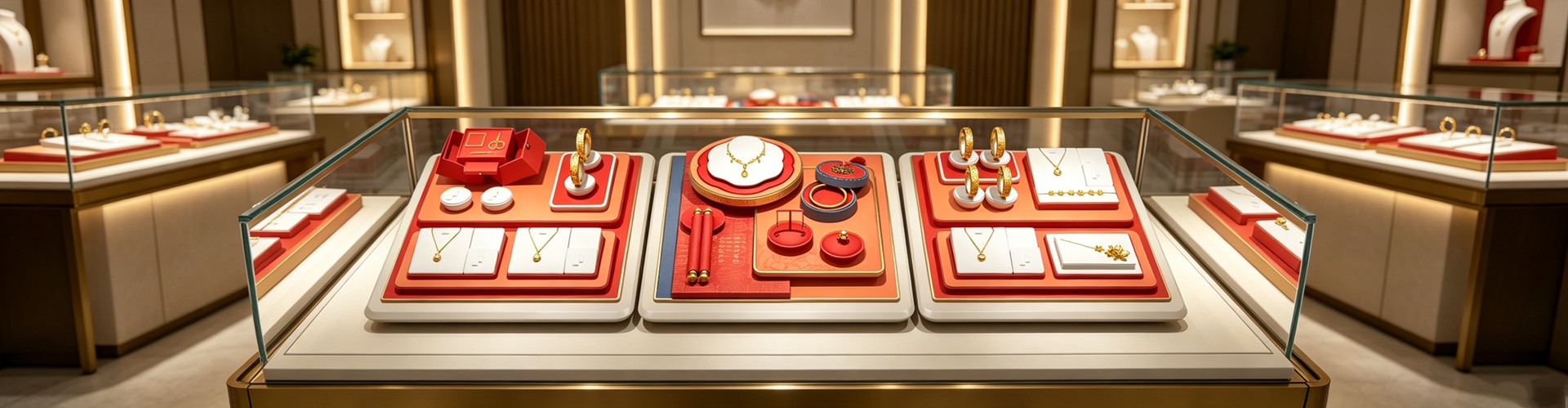
Another defining battle is fought on the dial: meteorite, onyx, tiger's eye and malachite mineral dials have moved from niche showpieces to mainstream must-haves. In the social media era, a watch wins or loses attention in seconds — first-glance impact has never mattered more. That raises a new question for brands and retailers: presentation is now part of the product.
Vintage timepieces demand ritual. A well-crafted watch box is the opening chapter of that story — velvet lining, a removable watch pillow, restrained foil stamping — giving customers an unboxing moment that matches the watch itself. In stores, matching watch display props complete the picture: stepped stands, leather cushions, and jewelry display racks combining acrylic and wood that let mineral dials catch the light. Shenzhen Junyimei, an experienced manufacturer of packaging and display solutions, has seen a consistent pattern across its watch and jewelry clients: when packaging, display and product speak the same visual language, dwell time and conversion rise together.
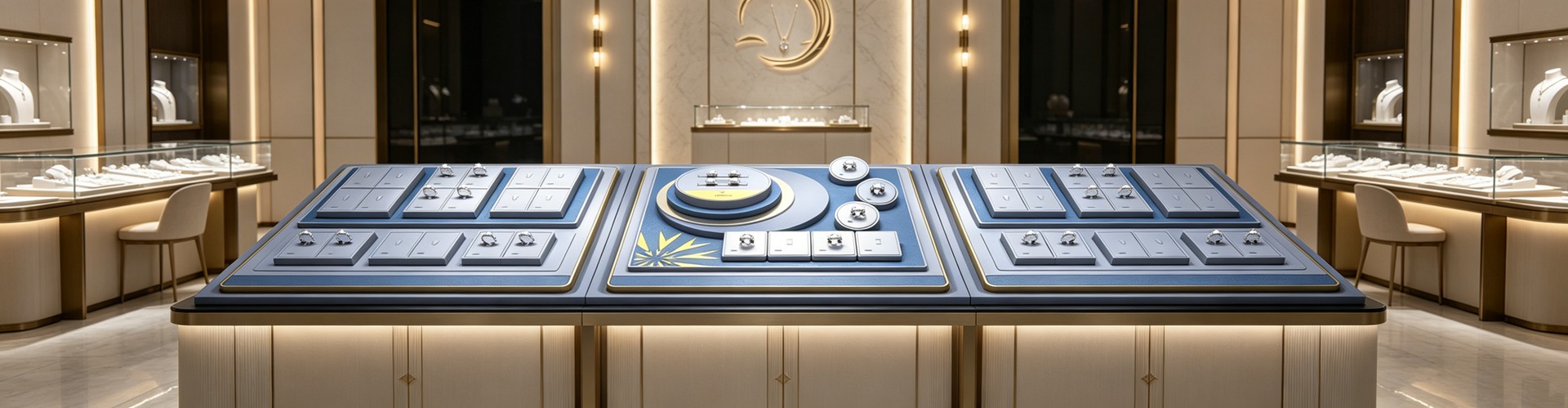
For watch brands, dealers and boutiques, the 2026 to-do list is clear: curate for the vintage and smaller-size trend, upgrade watch boxes so unboxing becomes a brand memory, and rethink window and counter displays so every timepiece gets its own stage. Trends rotate — refined presentation never goes out of style.
This is original content. Copyright belongs to Shenzhen Junyimei. Please credit the source when reprinting.
Junyimei — giving every watch and jewel the stage it deserves.
2026年的钟表圈,正上演一场耐人寻味的“回头潮”。各大表展与拍卖行的数据都指向同一个方向:复古正在成为高级腕表的主旋律。劳力士、欧米茄纷纷复刻上世纪五六十年代的经典表款;小巧精致、镶嵌彩色宝石的“鸡尾酒表”在佳士得、苏富比拍场上炙手可热;表径也集体回归理性,38 至 40 毫米的中性尺寸重新成为主流。腕表不再只强调“存在感”,而是重新讲究佩戴感、故事感与个人气质。
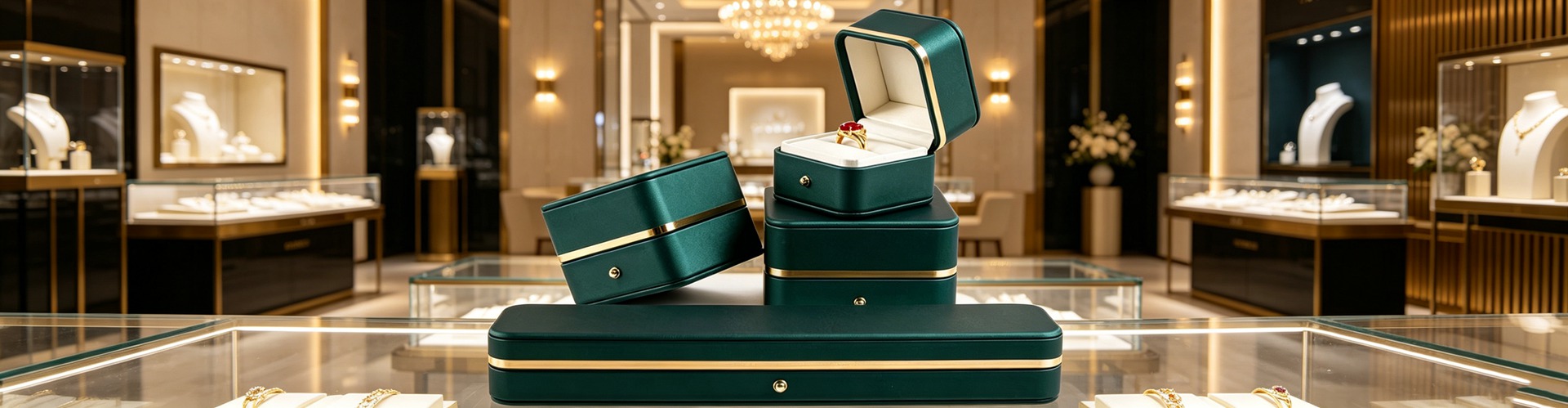
另一大看点是表盘材质的军备竞赛:陨石、缟玛瑙、虎眼石、孔雀石等矿石面盘从少数品牌的炫技项目,变成了跨价位的标配元素。在社交媒体时代,一只表能否在几秒内抓住眼球,第一眼视觉变得空前重要。这对腕表零售与品牌方提出了新课题——产品之外,呈现方式同样是竞争力。
复古腕表讲究仪式感,包装与陈列自然要跟上。一只做工考究的手表盒,是复古叙事的第一章:翻盖绒面内衬、可拆卸表枕、低调的烫金工艺,能让顾客在开盒瞬间感受到与腕表同级的品质。门店端则需要与之匹配的手表陈列道具——阶梯式表托、皮质表枕、亚克力与木质结合的珠宝展示架,用材质与光影衬托矿石表盘的天然纹理。深圳骏依美在为多家钟表与珠宝客户定制包装及道具时发现:当包装、陈列与产品风格统一时,顾客停留时间和成交率都会明显提升,这正是“第一眼经济”在终端的落地。
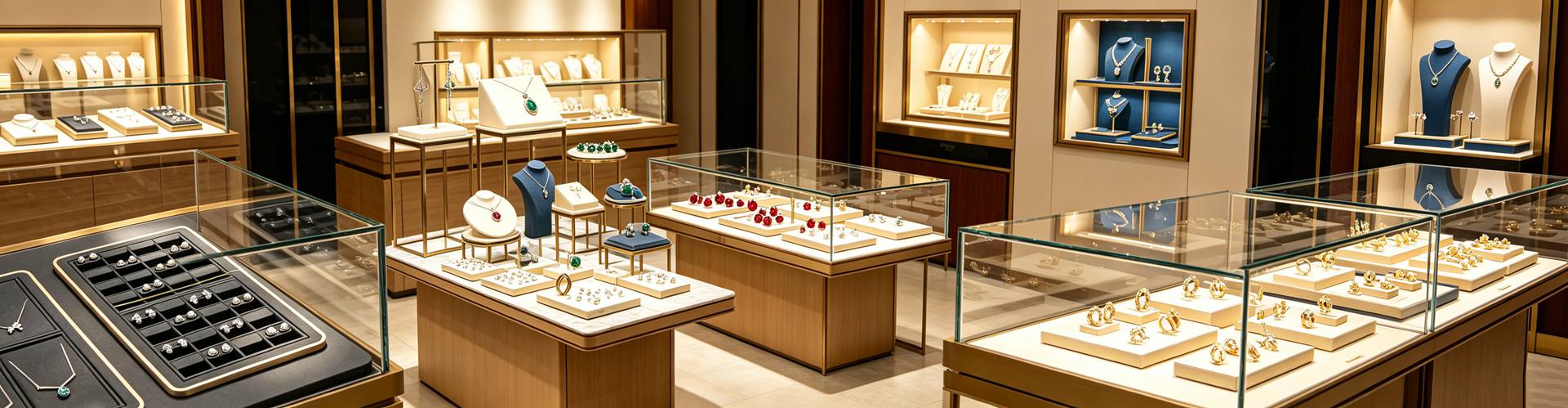
对钟表品牌、经销商和买手店来说,2026 年的行动清单已经清晰:一是顺应复古与小尺寸潮流优化选品;二是升级手表盒与包装设计,让开盒体验成为品牌记忆点;三是重新规划橱窗与柜台的陈列语言,让每一只表都有自己的舞台。潮流会轮回,但精致的呈现永远不会过时。
本文为原创内容,版权归深圳骏依美所有,转载请注明出处。
骏依美——让每一只腕表与珠宝,都被更好地呈现。